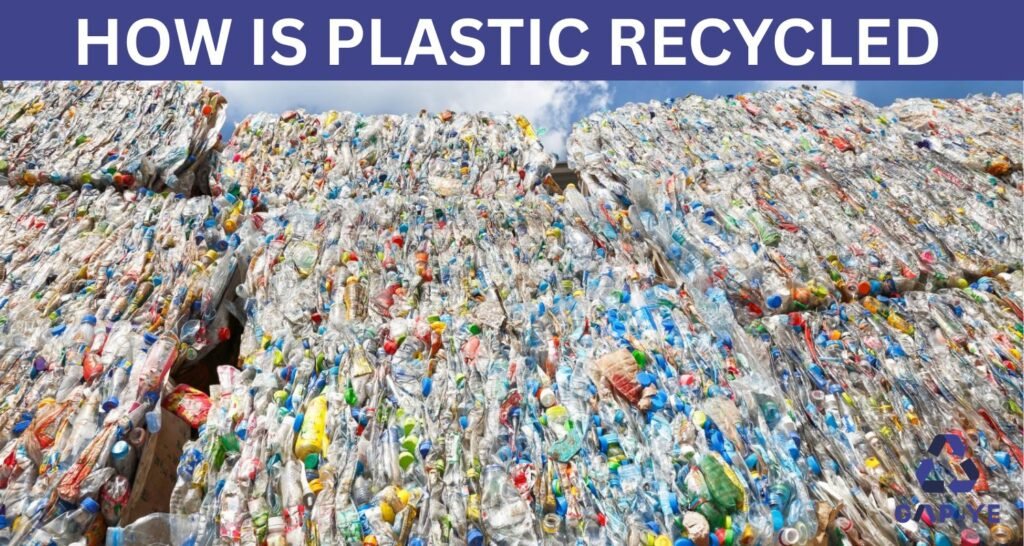
Many of us do it unconsciously. We empty a cold drink bottle and put it in the recycle bin, and move on, thinking that we have done our part. But have you ever wondered what happens to that plastic after you close the dustbin’s lid?
Plastic recycling isn’t magic, and it’s definitely not as simple as melting everything down and starting again. Some plastics get a second life, others don’t make the cut, and a surprising element is that recycling depends on how the item was made in the first place. From sorting and cleaning to shredding and remoulding, the journey of plastic recycling is messy, complicated, and often unknown. Understanding how is plastic recycled helps us see why recycling is a necessity in the first place.
How is plastic recycled?
From the moment you throw the plastic in the bin, and when it comes back as something new, plastic goes through several careful steps to get a second life. Here are the steps explaining how is plastic recycled:
1. Collection
Once you put plastic in a recycling bin, it doesn’t disappear. Waste collection trucks pick it up and transport the collected plastic to a large facility known as the Materials Recovery Facility (MRF). Consider it a trash and recycling sorting house.
Here’s something many people miss about plastic recycling:
The truck isn’t just transporting one type of material. In many cities, recycling is collected through single-stream systems, where plastics, paper, metal, and glass are intentionally mixed and sorted later at the facility. The result is simply a large, untidy pile that requires some manual effort before the recycling process can begin.
2. Sorting
The next step is sorting plastics. Not all plastic is the same. They are made from different types of plastic. And they cannot be recycled together.
Therefore, how is plastic recycled at the facility:
- By type (PET, HDPE, etc.)
- By shape
- By colour
Laser machines, scanners, and even trained workers ensure that the plastics are put in their place. It is important to sort plastics correctly because combining the wrong types can spoil an entire batch. When the sorting is done properly, it will protect the quality of recycled material, and the whole process goes smoothly.
3. Washing
Once the plastics are sorted, they need a good clean. Any leftover food, sauces, oils, labels, or dirt is washed off using water and sometimes a bit of mild detergent if needed. This step is really important because even small bits of contamination can mess up the recycling process later on.
The washing also removes dust and tiny debris, making sure the plastic is ready for the next step. Clean plastic means stronger, higher-quality recycled material, so this step really sets the stage for everything that comes after.
4. Shredding
The clean plastic is now shredded into smaller sizes flakes or tiny plastic bits. This allows it to become easier to handle in the machines. Smaller sizes are easier to handle, heat more uniformly, and process into new products. By now, any fragments that have bypassed the previous sorting, such as metal clips, labels, or strange substances, are likely to be grabbed and removed.
5. Separation
Even small pieces of plastic require additional cleaning and sorting. Some of the plastics may remain suspended in large tanks, and some sink to the bottom of the tank. Sensors and quality-control machines help detect any remaining unwanted materials. This allows recyclers to further separate materials, ensuring that only the correct type of plastic moves to the next stage.
Recyclers may also adopt other tech tricks, such as blowing air through the mix to shake out some pieces. The aim is to obtain the purest batch of one type of plastic possible. This extra care prevents contamination and improves the strength and reliability of the recycled plastic that follows.
6. Melting and Reforming
After cleaning and sorting the plastic into the correct type, it is melted down. This molten plastic is forced through machines that make them small, uniform pellets. These pellets resemble the raw material in the production of new plastic products. The melted plastic is typically converted to strands and chopped into small beads known as pellets. As a result, they become the raw materials that factories use to produce new products.
7. Made Into New Products
Those pellets don’t sit on a shelf. Rather, they get shipped off to manufacturers who turn them into new products.
Depending on the quality and type of plastic, recycled pellets might become things like:
- New bottles or containers
- Park benches and outdoor furniture
- Clothing fibres
- Car parts
- Packaging and bins
However, some recycled plastic loses strength each time it’s melted, so it’s not always used for the same thing it was originally.
Final Thoughts
In conclusion to how is plastic recycled, recycling plastic feels like a small thing, but what happens after you throw that bottle away is actually a full-on industrial process. It’s not easy, it’s not automatic, and honestly, it’s sometimes frustratingly inefficient. But every bottle that does make it through this process is one less piece of plastic choking our oceans or landfills.
So yeah recycling matters. But understanding what really happens makes you see why reducing plastic use before it ever gets to your bin is just as important.
FAQS
1. Can all plastic actually be recycled?
No, not all plastics can be recycled. Especially soft plastics, multi-layer packaging, and items made from mixed materials can not be recycled.
2. Do I really need to wash plastic before recycling it?
Yes, leftover sauce, oil, or beverages can contaminate other materials being recycled and destroy an entire batch, that’s why it’s important to wash it before recycle.
3. Does recycled plastic always turn into the same product again?
Not always. Plastic usually loses a bit of strength every time it’s recycled, so it often gets turned into something different like a bottle becoming a park bench or a clothing fibre. Some plastics can only be recycled a few times before they’re done for, which is why cutting down plastic use is extremely important.