You must have seen a video where you find a helpless turtle wrapped in a plastic bag, gasping to live. You did not search for the video, but it still appeared on your feed, and seeing the turtle, you must have felt helpless, sad or frustrated.
Human beings around the world use around 1 to 5 trillion plastic bags every year. And we often use these plastic bags just for a few minutes before discarding them. Many such bags end up in the rivers, oceans and landfills, where animals and aquatic creatures mistake them for food and can die after consuming them. These are the exact situations that are shown in those videos. And after watching it, one valid question comes to our mind and i.e; Can you recycle plastic bags? Let’s read this article to know.
Are Plastic Bags Recyclable?
Yes, plastic bags can be recycled, but not in the manner in which most of us believe it gets. When they are clean, they can be gathered, washed, melted, and converted into new products. The issue arises when they are placed in the common recycling containers. These thin, elastic bags clog recycling machines, force employees to stop the machines, halt the process, and then they usually end up in the landfills. It is an instance of wish-cycling: good intentions, incorrect bin. Unless plastic bags are properly disposed of, they not only fail to be recycled but can also hinder the recycling process of other materials.
So, which bags can you recycle and which you can’t?
Recyclable bags usually are grocery bags, produce bags, bread bags, newspaper sleeves, the plastic wrapping around products such as toilet paper or paper towels, and others. When the plastic is stretchy and crinkles when you squeeze it, then it is most likely ends up in the soft-plastic group and can be recycable.
On the other hand Thick, rigid, or mixed-material bags cannot be recycled. The recycling system can’t recycle foil-lined, padded mailing envelopes or bags with heavy coating. Soft-plastic recycling systems are designed for thin, stretchy plastics, so any heavy or rigid material usually cannot be recycled.
Where Can You Recycle Plastic Bags? Drop-Off Points and Centers Explained
So, can you recycle plastic bags? Yes, it is possible if you follow the correct steps. Plastic bags need special instructions and handling, due to which they don’t belong in the usual curbside recycling bins. Here are step-by-step instructions on how to do it:
Step 1: Use drop-off centres
The best way to recycle your soft plastic bags is only at dedicated drop-off points. You can find them near the entrances of grocery shops or retail outlets. They exist to handle thin and stretchy plastic that curbside systems cannot manage.
Step 2: Find a local recycling location
If you don’t know where to dispose the plastic bags, it is better to search online or ask locals regarding recycling center. You will find at least one in your area; all you need to do is search well.
Step 3: Check the bag before recycling
Not every plastic bag is recyclable. You need to search for a recycling symbol or a “recyclable” label. So, please take care of these small things.
Step 4: Clean and empty the bags
Foodstuffs, crumbs, liquids or receipts may be placed on plastic bags, thereby contaminating them. Shake them and ensure that they are clean and dry, and then recycle.
Step 5: Remove non-plastic materials
Peel off stickers, tape, shipping labels, or brand tags. These materials don’t belong in soft-plastic recycling and can cause issues during processing.
Step 6: Drop off bags loose (not bundled)
Drop bags into the bin loosely, not tied together. Loose bags are easier for recycling facilities to sort and process.
Myths Regarding Plastic Bag Recycling
Here are some of the myths and realities regarding the recycling process you need to know:
- Myth: All plastic bags are recyclable
Fact: No, this is not true. Flexible soft plastics, such as grocery, produce, or bread bags, are most susceptible to recycling provided that they are clean and free of dirt. Note Do not discard any thick, laminated, or foil-lined bags.
- Myth: One plastic bag won’t make a difference.
Fact: It might seem to be a harmless thing; however, one bag can bring a lot of troubles, which you can never even guess. Such millions/even billions of concepts of one bag can contribute to the waterways blockage, damage to innocent fauna, and congest the waste.
- Myth: Plastic bags belong in curbside recycling bins.
Fact: Most programs can’t handle the bags. They get stuck in the machines, cause shutdowns, and send entire loads for dumping to the landfill.
- Myth: Dirty bags are fine if they’re recyclable plastic.
Fact: It might appear to be normal, but food residues, receipts and moisture lead to numerous issues in the recycling streams by contaminating them. We should clean them.
- Myth: Recycling solves the plastic bag problem completely.
Fact: Recycling helps a lot, but reduction and reuse also matter a lot. If you contribute to the environment by using fewer bags, you are doing a lot from your end.
Recycling Centres and Drop-Off Points for Plastic Bags
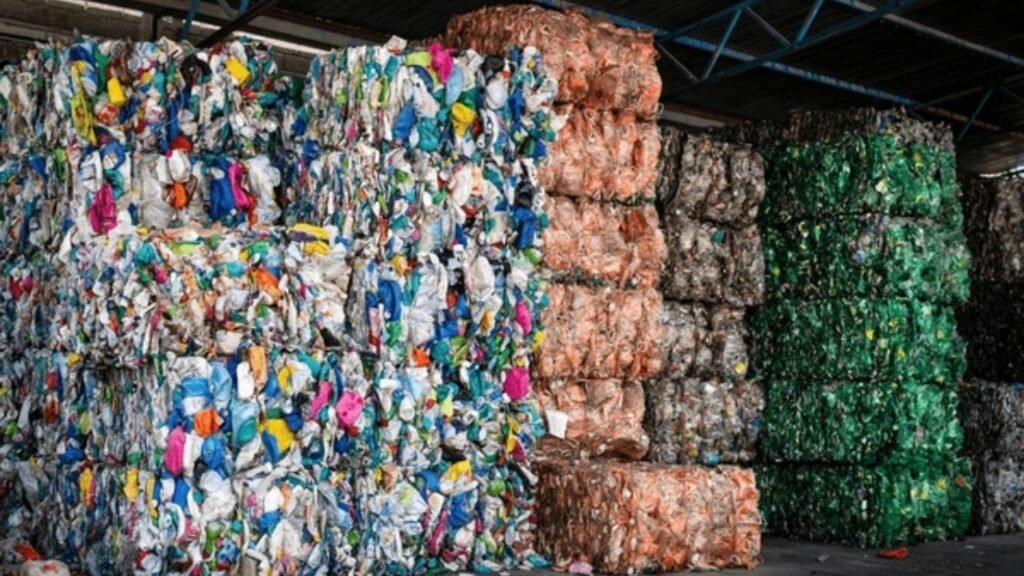
Plastic bag recycling remains a challenge because these bags cannot be processed through regular curbside recycling due to their nature to jam sorting machinery, according to IERE (International Institute for Environmental Research). Instead, they must be collected at dedicated drop-off points, such as recycling centers, community collection programs, or in-store bins provided by retailers. Globally, it is estimated that between 1 and 5 trillion plastic bags are used each year, yet only a tiny fraction, around 1- 5%, is actually recycled, with the majority ending up in landfills or polluting the environment, notes Shunpoly Research. To address this, major retailers like Walmart, Target, and Kroger provide in-store collection bins, allowing customers to contribute to recycling efforts. For instance, Target reports that guests have recycled over 11,000 tons of plastic bags and shrink wrap through these programs, according to Target Corporate Sustainability. Ensuring that bags are clean and dry before dropping them off improves the likelihood that they will be successfully recycled.
Conclusion
In conclusion, to Can you recycle plastic bags? Yes, we can recycle some plastic bags, and this can also lower the impact on the environment if handled properly, but it requires a bit more thought and effort. Understanding what counts, where it goes, and how to take action properly makes a big difference. You don’t have to be perfect. You just have to be informed. When you handle plastic the right way, they stop becoming the problem and starts becoming part of the solution.
Frequently Asked Questions (FAQs)
1. Can I recycle torn plastic bags?
Yes, a small tear does not matter. If the bag is clean, dry, and made from soft plastic, you can opt for soft-plastic recycling. The material matters not the condition.
2. Will coloured or printed bags affect the recycling process?
Coloured or printed plastic bags can be recycled as long as they are soft plastic. Nevertheless, bags that are heavily dyed or metallic-appearing can be more difficult to process; some of the programs do not prefer them.
3. Should plastic bags be folded or tied before dropping them off?
It’s better to keep bags loose rather than tightly knotted. Loosely packed bags are easier to sort and process at recycling facilities.
4. What happens if plastic bags end up in regular recycling by mistake?
They frequently lead to jamming of machinery. In most cases, employees are forced to stop operations to remove them, and whole recycling loads are discarded in landfills.